For people who are hard of hearing.
CHHA-NCR is the National Capital Region branch of the Canadian Hard of Hearing Association, founded in 1982 by Canadians with hearing loss. Today, our volunteer members continue to lead everything we do.
Your local branch in the National Capital Region.
The Canadian Hard of Hearing Association - National Capital Region (CHHA-NCR Branch) is the local Ottawa Branch dedicated to providing information, guidance, and support for individuals living with hearing loss.
Our volunteers offer insight into communication strategies, assistive technologies, and community resources that can help you navigate hearing loss with confidence.
Every part of it is run by members who live with hearing loss themselves. Advocacy, education, referrals, community: it is all built by people who have been where you are. If you would like to talk to someone, email contact@chhancr.ca. A real person reads every message.
What we stand for, in plain terms.
Our vision
To live in an inclusive community for persons with hearing loss.
Our mission
To champion opportunities and resources leading to a supportive community.
Our goals and objectives
- To be the leading source in promoting education and awareness of hearing loss to the general public.
- To encourage and support the use of hearing loss technology.
- To sit on at least one Accessibility Committee at the City of Ottawa.
- To provide social opportunities for persons with hearing loss in our community.
- To develop fundraising opportunities to support our objectives.
- To refresh the CHHA-NCR Branch brand.
Five decades of members leading the way.
We have been at this since the 1970s, and members have led every step of it. Here is where we come from.
- Early 1970s
The Ottawa Hard of Hearing Club is founded to advocate for greater access to public and private services across the city.
- 1977
The Club joins a national coalition, working alongside similar organizations across Canada to coordinate efforts at the federal level.
- 1982
The Club plays a pivotal role in creating the Canadian Hard of Hearing Association (CHHA National). Its president, Dr. Charles Laszlo, becomes CHHA National's first President, and the Club becomes one of the first branches: the Ottawa Branch.
- 1985
The Hard of Hearing Club of Ottawa is accepted as the Hard of Hearing Branch of the Canadian Hard of Hearing Association.
- 1990s
The Branch stays deeply engaged in advocacy, taking part in municipal and federal public hearings to promote inclusion for people who are hard of hearing.
- 2006
Recognizing that the region needed broader representation than the Ottawa-specific name conveyed, the Branch adopts a new identity: CHHA National Capital Region Branch.
- 2010
The Branch hosts Ottawa's first Walk2Hear, strengthening public awareness and community engagement.
- 2012
Partnering with the Canadian Red Cross, the Branch certifies hard of hearing members in Standard First Aid and CPR.
- 2016
At the Desjardins Caisse Populaire Rideau-Vision d'Ottawa awards, the Branch receives funding for its "Let's Talk" speechreading and communication courses.
- 2025
CHHA National awards the Branch a five-year subcontract, joining nine Ottawa-based organizations to improve inclusion and access for seniors with hearing loss.
- 2026
The Branch marks a new chapter with a refreshed brand, a new Instagram presence, and this new website.
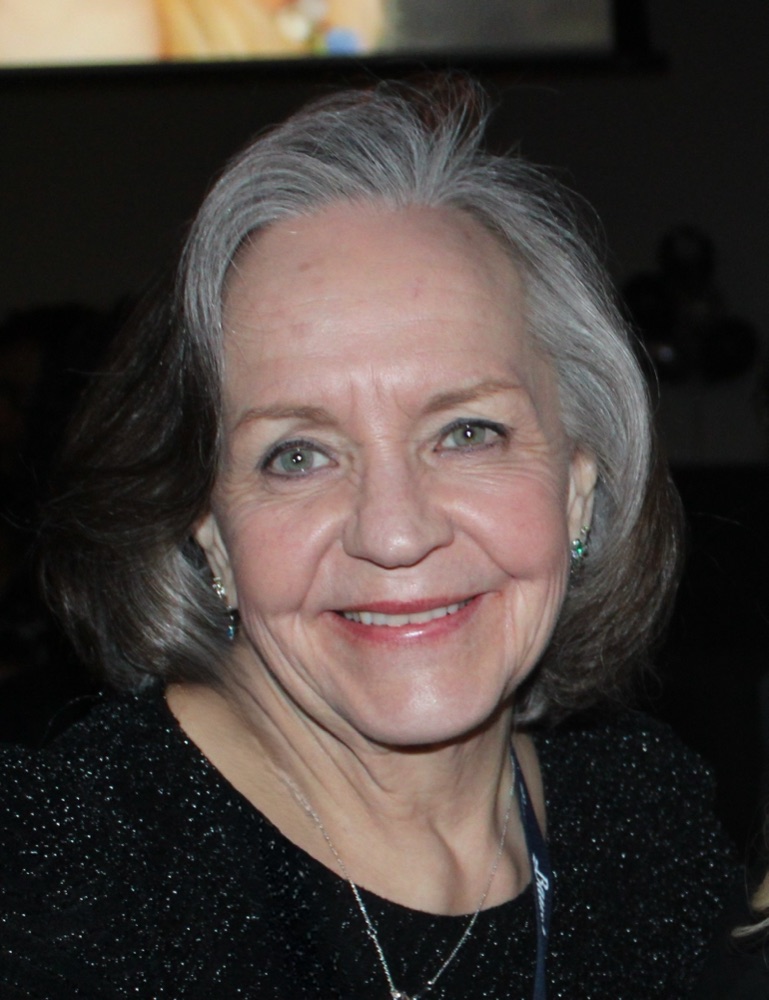
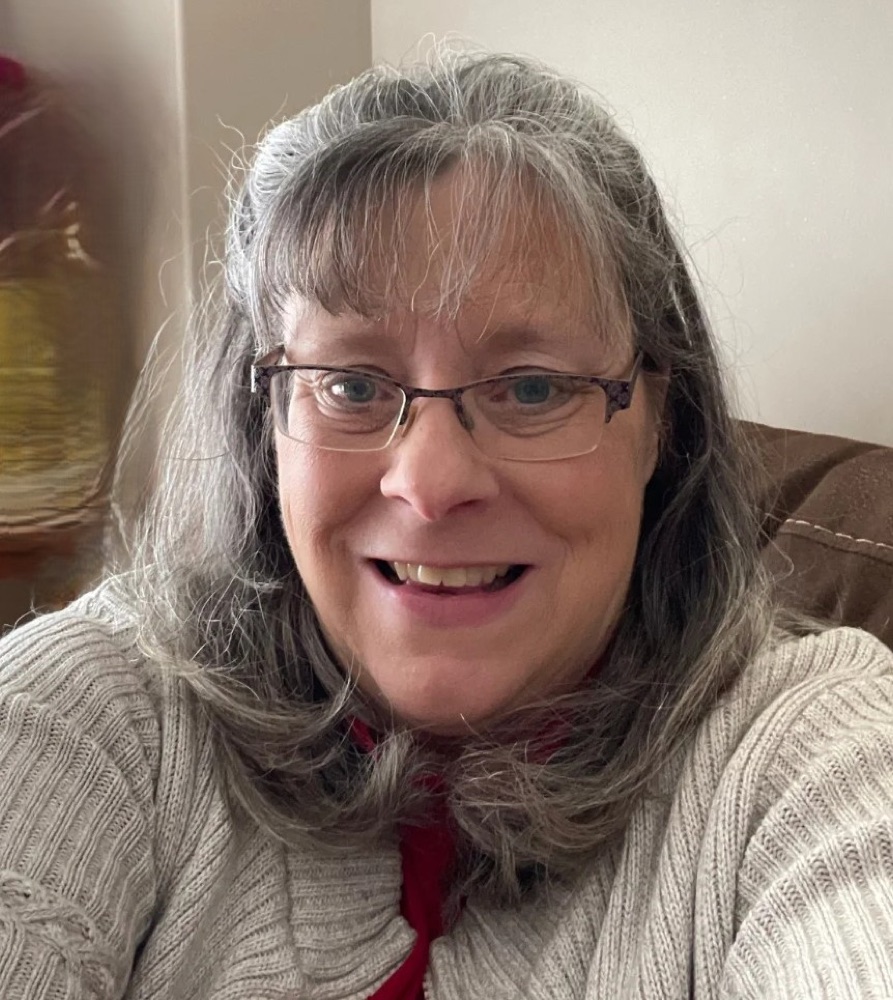
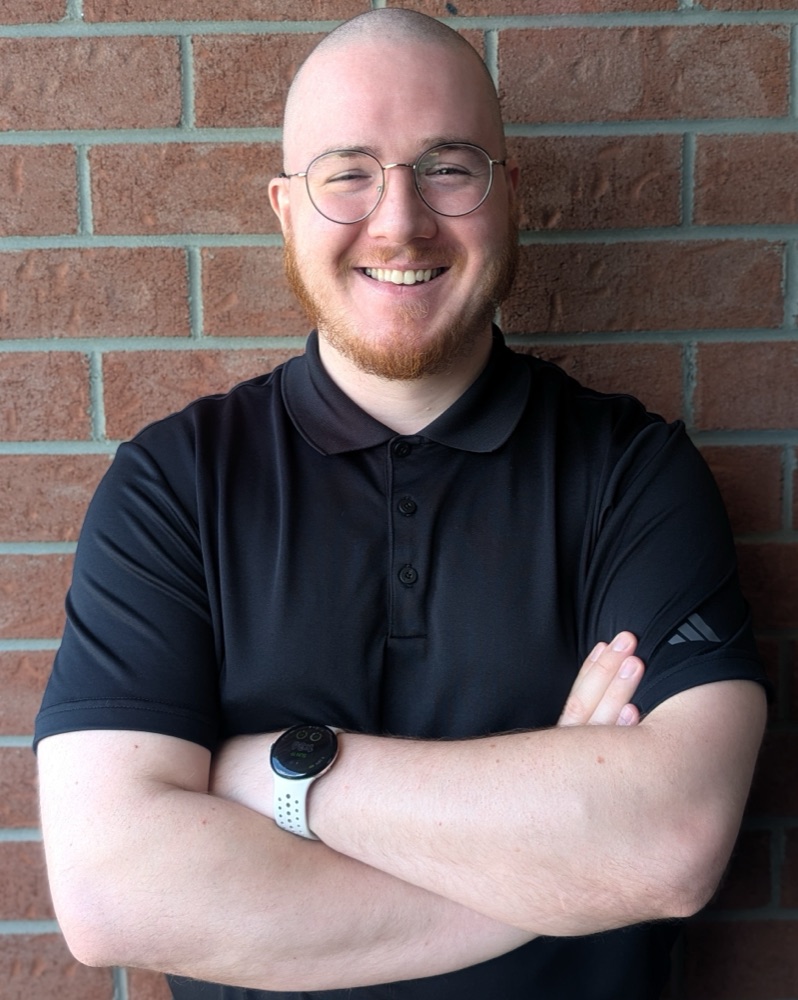
The people who run this Branch.
Our directors are elected by the members, and every one of them lives with or has experienced hearing loss. Lived experience is not a nice-to-have here, it is the qualification.


Everything we told our members, published in full.
Nothing here is a summary. These are the reports our board and committee leads gave members at the Annual General Meeting on June 10, 2026, published word for word. If you want to know how the Branch actually runs, this is it.
President's Report · Michel David
President, CHHA-NCR Branch · June 2026
The past seven months have marked a period of meaningful revitalization for the CHHA-NCR Branch. Since our last Annual General Meeting, scheduled earlier this year to avoid winter travel challenges, the Board of Directors has focused on strengthening the administrative foundation of our Branch to support long-term stability, efficiency, and growth.
Accomplishments
Over the course of 2026, we made significant progress in modernizing our operations. We secured a dedicated mailbox and updated our mailing address to improve reliability and access. We also transitioned our banking services to the Royal Bank of Canada, enabling electronic payments, transfers, and online financial record management, important steps toward more efficient and transparent administration.
A major milestone this year was securing a website development service that will provide the CHHA-NCR Branch with a modern, accessible, and easy-to-manage online presence. This new website will allow us to better communicate with members, share resources, and highlight our advocacy work.
Our Social and Educational Events Committee and our Media and Technology Committee continued to deliver valuable programming and infrastructure improvements. Their reports outline the many successes achieved so far and reflect the dedication of our volunteers.
The Branch also advanced its role in the national project Fostering Inclusive Communication for Seniors, funded through CHHA National. Our Branch submitted a successful proposal to participate in the Ottawa-based portion of this initiative. Under the leadership of our part-time Project Officer, we have been providing ongoing training for hard of hearing seniors and for those who work or volunteer with them. Paul's report provides a detailed update on our progress.
Our advocacy efforts continued through active participation in The Ottawa Hospital Accessibility Committee, where Judy Michel represents the CHHA-NCR Branch. Judy has been deeply engaged in reviewing accessibility plans for all hospital campuses, with particular focus on the new Civic campus planned for Carling Avenue. Her work ensures that hearing accessibility remains a priority in the redevelopment process.
The Branch also strengthened its relationship with the City of Ottawa's Accessibility Office. Board members attended seminars, workshops, and awareness events, and we encourage more members to participate in these opportunities to help amplify the voice of hard of hearing residents in municipal accessibility planning.
In addition, Judy Michel represented the CHHA-NCR Branch in the University of Ottawa's Emergency Preparedness Consultation, contributing important insights on accessible disaster-risk communication for people with hearing loss. Her report outlines the outcomes of this collaboration.
Collaboration remained a key theme this year. The CHHA-NCR Branch worked with the CHHA-Edmonton Branch to support ongoing captioner training, partnered with the Association of Hearing Instrument Practitioners of Ontario (AHIP) regarding changes to the Assistive Devices Program, and advocated for improved travel experiences for people with hearing loss, whether travelling locally or across Canada.
Challenges
Despite our progress, several challenges remain. We continue to seek volunteers to help create content for our upcoming website by attending local events and reviewing them through a "hard of hearing lens." Members with skills or interest in writing, accessibility, or community engagement are encouraged to contact us at contact@chhancr.ca.
We are also experiencing growing pains as we develop our website and work to gain full administrative access to our Facebook page, an issue that remains unresolved due to platform limitations.
Finally, the lack of a permanent meeting space continues to be a significant barrier. A dedicated location for meetings, workshops, and resource storage would greatly enhance our ability to serve members, but cost remains a challenge.
Closing remarks
We have accomplished a great deal in the past seven months, and I am deeply grateful to our Board members, volunteers, and partners for their energy, commitment, and vision. Their dedication has strengthened our Branch and positioned us for continued growth and impact in the year ahead.
Treasurer's Report · Janice McNamara
Treasurer, CHHA-NCR Branch · Fiscal year April 1, 2025 to March 26, 2026 · Submitted to the Annual General Meeting, June 10, 2026
The CHHA-NCR Branch concluded the 2025-2026 fiscal year in a strong financial position. We began the year with a solid opening balance and continued to manage our resources responsibly throughout the year.
In September 2025, the Branch was awarded grant funding through the Canadian Hard of Hearing Association's Fostering Inclusive Communication for Seniors (FICS) Project. This funding has enabled us to collaborate closely with CHHA National and several Ottawa community organizations to advance accessibility and inclusion for seniors with hearing loss.
Through the FICS project, the Branch was able to hire a part-time Project Officer to support project coordination and implementation. The project also includes administrative support funding, which has strengthened our capacity and enhanced the visibility of the CHHA-NCR Branch brand within the community.
According to our Profit and Loss Statement, the Branch's balance as of March 31, 2026, was $35,356.73. A significant portion of these funds is allocated to ongoing FICS project activities. In addition to project funding, the Branch continues to receive donations through CanadaHelps and the United Way. In the upcoming fiscal year, we will explore additional donation platforms to broaden our reach and increase opportunities for community support within the Ottawa region.
I would like to express my appreciation to Karla Wilson for her assistance in preparing this report and for providing the Balance Sheet and Profit and Loss Statements. As we move into the next fiscal year, the Branch will need to secure a financial software solution to support the preparation of future financial reports.
FICS Project Report · Project Officer
CHHA-NCR Branch Project Manager · Reporting period: November 2025 to June 2026
Over the past year, the Fostering Inclusive Communication for Seniors (FICS) portfolio transitioned from planning into active community engagement. The focus during this period was to support seniors living with hearing loss, reduce social isolation, and help community partners create more accessible environments for meetings, programs, and services.
Accomplishments
Between November 2025 and June 2026, the CHHA-NCR Branch delivered meaningful progress in outreach, training, and awareness-building.
On May 29, 2026, the Branch organized and delivered the workshop Inclusive Communication and Support for Seniors with Hearing Loss, designed specifically for older adults. The session helped normalize age-related hearing changes, explained common signs and social impacts, and encouraged early support through audiologists, hearing specialists, clinics, family networks, community programs, and peer-support groups.
Participants received practical communication strategies, including facing the speaker, choosing quieter environments, asking for repetition or slower speech, using captions online, and improving meeting accessibility through microphones and clear audio.
The workshop emphasized that hearing loss does not diminish a senior's value or ability to contribute. Attendees were introduced to volunteer and peer-support opportunities such as mentoring, event assistance, and behind-the-scenes support roles.
The Branch strengthened its role within the national FICS collective-impact partnership by aligning local work with outreach, training, volunteer engagement, data collection, and reporting expectations. The project reinforced a key message for community organizations: inclusive communication is a core part of respectful service delivery, not an optional add-on.
Unfinished business
Several important tasks remain underway as the project continues to grow:
- Finalizing attendance records, participant feedback, and follow-up notes from the May 29 workshop to support reporting and future planning.
- Scheduling additional outreach and training sessions with community host sites to meet annual engagement targets for vulnerable seniors.
- Developing a clearer volunteer pathway for interested seniors, including role descriptions, orientation, matching processes, and ongoing support.
- Continuing to adapt materials to ensure they are culturally responsive, plain-language, and fully accessible for individuals with hearing loss.
- Completing standardized data-collection and impact-reporting processes to ensure consistent tracking across the FICS partnership.
Roadblocks
The project also encountered several challenges that will guide future improvements:
- Reaching isolated seniors remains difficult, particularly those not connected to community services or who do not self-identify as hard of hearing.
- Accessibility varies widely across community venues. Background noise, poor acoustics, limited microphones, inadequate lighting, and lack of captions can reduce participation and engagement.
- Technology presents both opportunities and barriers. While captions, apps, and digital tools can improve communication, many older adults require one-on-one support, practice, and reassurance to use them confidently.
- Reporting and participant-data requirements, while essential, add administrative load. A simplified process is needed to collect meaningful information without discouraging participation.
Social & Educational Events · Carrie Hartwick
Social and Educational Events Committee Chairperson · June 2026
Throughout 2025-2026, the CHHA-NCR Branch Social & Educational Events Committee continued to foster community connection, learning, and peer support through a series of well-received in-person and virtual events. These gatherings provided members with opportunities to share lived experiences, learn from experts, and explore new technologies that support communication and hearing accessibility.
In April 2025, the Committee hosted an in-person event at the Elmvale Library, where members shared personal experiences living with hearing loss and exchanged practical strategies for everyday communication. This session reinforced the value of peer learning and created a welcoming space for open discussion.
In July 2025, Michel David, CHHA-NCR Branch President, graciously hosted a summer BBQ that brought members together for an afternoon of good food, lively conversation, and community building. The event was well attended and strengthened social connections within the Branch.
In October 2025, the Committee organized a virtual tinnitus information session featuring Stephanie Stacey from The Ottawa Hospital - Civic Campus. Participants learned about the causes and symptoms of tinnitus, as well as strategies for managing and coping with this often-challenging condition.
In December 2025, Tim Archer joined the group online to present the latest developments in assistive technology. Members were particularly interested in emerging Auracast technology, which has the potential to significantly enhance accessibility in public spaces.
In February 2026, the Committee hosted a virtual event focused on sharing personal wisdom and experiences related to hearing loss. This session was a tremendous success, with members expressing how inspired they felt after hearing one another's stories. Several participants requested that this event be offered again in the future.
Looking ahead, on June 25, 2026, Canadian Hearing Services will deliver an in-person presentation at the Alta Vista Library on hearing aids and hearing devices. This session will provide members with valuable information on current technologies and available supports.
The Social & Educational Events Committee remains committed to offering meaningful opportunities for learning, connection, and empowerment. The events held over the past year reflect the strength of our community and the importance of shared experience in navigating hearing loss.
Social Media Committee · Aidin Medinic
Social Media Committee Chairperson · June 2026
In 2026, the CHHA-NCR Branch made significant progress toward modernizing its digital presence by initiating the development of a new Branch website. This project represents an important step in strengthening our communication, improving accessibility, and enhancing our visibility within the National Capital Region.
To support this initiative, the Branch engaged Leshan Patterson, a developer from Full Stack, along with his colleague Brandon Nguyen, to design and build a website that reflects our mission, values, and commitment to accessibility. The agreement outlines a comprehensive set of goals and features that will ensure the website serves as a long-term, accessibility-first digital platform for our community.
Accomplishments
The new website is being designed to:
- Promote local World Hearing Day activities in the National Capital Region.
- Provide accessible educational resources about hearing health.
- Encourage community participation, volunteer engagement, and donations.
- Highlight the Branch's advocacy initiatives and current projects.
- Serve as a sustainable, accessibility-focused digital hub for members, partners, and the public.
The project's objectives include increasing public awareness of hearing loss, promoting community events, supporting volunteer and donor engagement, improving digital accessibility, and strengthening the Branch's visibility across Ottawa and the broader National Capital Region.
To achieve these goals, the website will feature:
- A welcoming home page with contact information and CHHA-NCR Branch branding.
- An About Us section outlining our mission, history, and organizational overview.
- An Education / Learn page linking to articles and resources.
- An Events page promoting workshops, community activities, and World Hearing Day initiatives.
- A Donate Now page with a secure donation pathway.
- A Board Members section with names, photos, and biographies.
- An AGM page with annual meeting information and resources.
- A Projects page highlighting the Branch's three current initiatives.
- A Become a Member page with membership information and sign-up options.
- A Volunteer Opportunities page with engagement and registration forms.
- A Partners page featuring affiliated organizations.
- A Peer Support page connecting visitors to community resources.
- A translation feature using Google's free Website Translator widget, enabling multilingual access at no cost.
Accessibility remains central to the design. The website will follow Web Content Accessibility Guidelines (WCAG) best practices and include:
- A first-visit font size selector to support visual accessibility.
- Clear typography and high-contrast design.
- Captioned and transcript-supported media.
- Full screen reader compatibility.
- Visual-first communication design to reduce reliance on audio.
- Mobile optimization for smartphones and tablets.
These features ensure the website will be fully usable by individuals with hearing loss and those relying on assistive technologies.
Roadblocks
While progress on the website has been strong, challenges remain in expanding the Branch's broader digital presence. Social media accounts, including Facebook, Instagram, and X, cannot yet be fully developed due to delays in Facebook's administrative processing. The platform has not yet granted our Social Media Director the necessary administrative access to the existing Branch page.
If this issue persists, the Branch may proceed with creating a new Facebook page, with additional social media accounts to follow. Establishing a coordinated social media presence will be an important next step in complementing the new website and strengthening community engagement.
Rebranding Committee Update · Janice McNamara
Rebranding Committee Chairperson · June 2026
During the past fiscal year, the Rebranding Committee of the CHHA-NCR Branch reviewed the possibility of returning our branch name from the Canadian Hard of Hearing Association - National Capital Region back to the previous name, Canadian Hard of Hearing Association - Ottawa Branch.
This discussion emerged as part of our broader effort to establish a clearer and more independent branch identity, distinct from the Canadian Hard of Hearing Association National Office. As part of this work, the Committee identified several key elements required to support a refreshed branch identity, including:
- A new Ottawa-based mailing address
- New branch email addresses
- New Microsoft 365 accounts
- A renewed social media presence
- A redesigned website
As we evaluated the scope and timing of these changes, it became clear that implementing all of these new operational "coordinates" would require immediate action. Given the workload and the need for continuity, the Committee determined that we would not be able to complete a formal name change while simultaneously establishing these new systems. As a result, the branch will continue to operate under the name Canadian Hard of Hearing Association National Capital Region (CHHA-NCR Branch) at this time.
Looking ahead to the coming year, the Committee will continue discussions regarding the branch's visual identity. This includes reviewing whether to retain our current logo or explore a new design. We also considered the possibility of aligning with CHHA National's branding and incorporating our branch name under their logo; however, no decision has been made.
The Committee will continue its work and will bring forward recommendations as these discussions progress.
The Ottawa Hospital Accessibility Committee · Judy Michel
Committee Member
Throughout 2026, the CHHA-NCR Branch continued its active involvement in The Ottawa Hospital's New Campus Development (NCD) planning process, ensuring that accessibility for people with hearing loss remains a core consideration in both new and existing facilities. Our committee representative, Judy Michel, played a central role in advancing this work on behalf of the Branch.
Committee participation and advocacy
The Branch, represented by Judy Michel, attended NCD planning meetings on February 10, 2026, and June 2, 2026, with the next meeting scheduled for October 2026. Following the February session, Judy prepared a comprehensive list of questions and recommendations focused on hearing accessibility for the new Carling Avenue campus. These recommendations were shared with the Branch Board and contributed to ongoing discussions with project leads.
Site walkthroughs and accessibility findings
In May 2026, Judy conducted an independent "mini-walkthrough" of the General Campus, Riverside Campus, and the General Campus Emergency Department. This review was completed in response to site maps and planning documents provided by the Planning and Redevelopment team. The walkthrough identified several opportunities to enhance hearing accessibility at current hospital sites.
A notable finding was the presence of a loop system at one Cancer Centre clinic reception area. Judy provided on-site education to clinic staff regarding the purpose and benefits of loop systems, including how individuals with hearing loss use this technology to improve communication. This engagement helped increase awareness of existing accessibility tools and highlighted the importance of staff training.
Strengthening collaboration and information sharing
Judy advocated for committee members to receive copies of accessibility consultant reports to support informed decision-making. As a result, Committee Leads and the Redevelopment representative provided written responses to the February recommendations and arranged additional virtual meetings to review consultant findings in greater detail.
She also strengthened connections with other hard-of-hearing committee members, including the staff representative, helping to build a more coordinated and informed voice for hearing accessibility within the planning process.
Ongoing challenge
A key challenge remains ensuring that accessibility for people with hearing loss stays prominently positioned on the agenda, both within the New Campus Development planning process and across existing hospital sites. Continued advocacy and active participation will be essential to maintaining momentum and ensuring that hearing accessibility is fully integrated into future planning and redevelopment efforts.
Disaster Risk Communication Advisory Group · Judy Michel
Ad Hoc Accessibility Committee Chair · June 10, 2026
In 2026, the CHHA-NCR Branch continued to strengthen its role in national accessibility initiatives through active participation in the Enhancing Disaster Risk Communication for Canadians with Disabilities research project, a collaboration between the University of Ottawa and Ottawa Public Health. The project recognizes that effective, accessible communication is essential for enabling individuals and communities to manage risks during emergencies and disasters. Ensuring that risk messages are inclusive, respectful, and accessible to persons with disabilities is a central goal of the initiative.
Accomplishments
Representing the Branch, Judy Michel contributed to four advisory group meetings held during spring 2026. These sessions addressed a wide range of public health and emergency-related topics, including hypothermia and frostbite, hand hygiene, hepatitis A, measles vaccination, responding to stressful events, extreme heat, respiratory illness, and post-flood recovery. The advisory group included representatives from across Canada, bringing diverse provincial perspectives to the discussion.
The Branch provided detailed feedback on how emergency information is communicated through social media, websites, and public-facing materials. This included testing phone numbers and contact links to ensure that alternatives to voice calls were available for individuals who rely on text-based communication. Feedback was also provided on video accessibility, emphasizing the importance of ASL interpretation. Captioning was available on all reviewed videos, supporting broader accessibility.
The University of Ottawa project organizer demonstrated a strong commitment to communication access by ensuring that Judy could fully participate in meetings using Zoom captioning. This accommodation enabled meaningful engagement and reinforced the importance of accessible communication practices within the project itself.
Challenge
An ongoing challenge identified through this work is clarifying the role of organizations such as the CHHA-NCR Branch in disseminating emergency information to members. As emergency communication strategies evolve, defining how community organizations can effectively relay accessible, timely information to individuals with hearing loss remains an important area for future development.
Membership is free. Join us.
Membership in the CHHA-NCR Branch is free and open to anyone living with hearing loss, or supporting someone who is. You will be among people who understand it from the inside.
What members get
- Updates on local events, new technologies, workshops, and advocacy initiatives
- Take part in Branch activities
- Serve on the Board of Directors
How to join
Send us your name and contact details and we will do the rest. A real person reads every message.
Prefer to join at the national level? National membership includes automatic membership in the CHHA-NCR Branch. Fees range from $30 a year to $350 for life.